
5 Unusual Tax Moves to Make Before Year-End
Use your credit card for deductible expenses, and clean out your closets.
/s3.amazonaws.com/arc-authors/morningstar/256953a9-ba08-4920-baa8-ccdc229ed9f9.jpg)
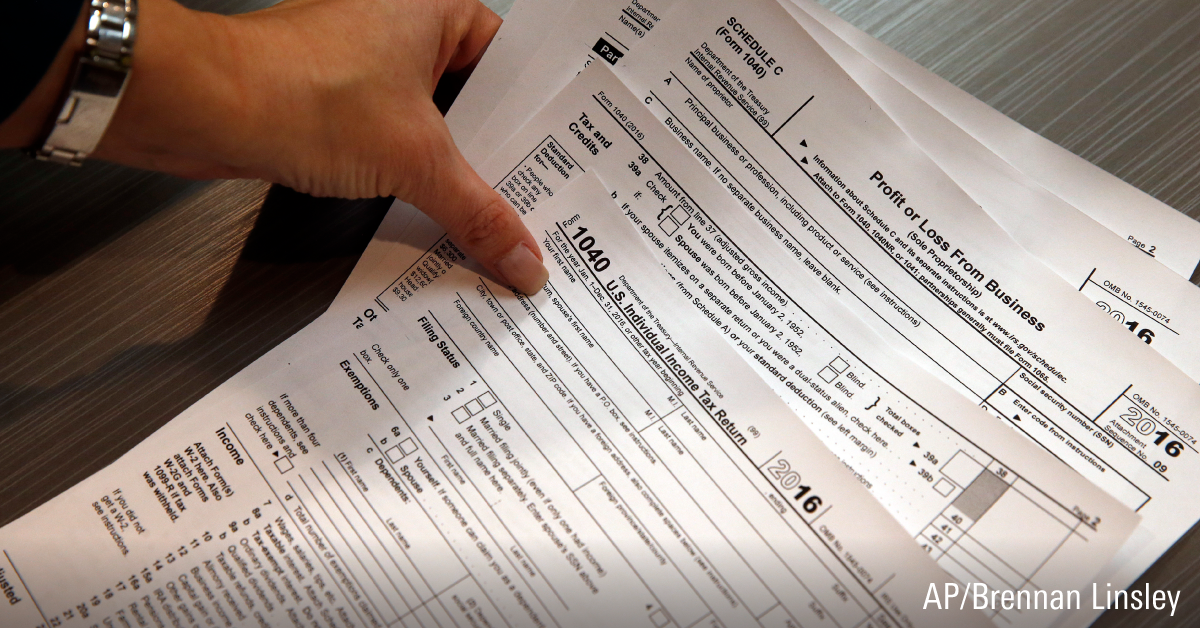
You can read about the “tried and true” year-end tax moves everywhere (such as here and here). The purpose of this article is to give you some new tips on actions to take before Dec. 31. Let’s dive in!
Tip 1: Use Your Credit Card
Financial advisors are always telling you not to use credit cards. But most people are not irresponsible with charging; they know to pay the balance in full each month, avoid interest fees, and rack up the points. There is a huge benefit to charging certain deductible expenses by year-end: the tax write-off occurs when you charge it, not when you pay it! This is especially useful for deductible expenses you would normally pay early in the new year, such as charitable donations and property taxes (if you are under the $10,000 maximum limit).
Tip 2: Clean Out Your Closets
You know you have clothes you never wear. Your kids have toys they never play with. Why not get into the holiday spirit and help out those less fortunate? When my kids were young, I’d have them donate to needy kids to make room for holiday gifts. They learned an important lesson in giving. The rules are not very onerous. Document what you give, get a receipt, and keep the total to less than $5,000 to avoid an appraisal requirement. Your deduction is equal to the lesser of what you paid or what it’s worth.
Tip 3: Boost Your Withholding
I know the last thing you want is to cut your paycheck during the holidays but hear me out. Did you have a side gig that made extra income? If you didn’t make estimated tax payments (quarterly payments) to cover the tax on your side gig, you could face some hefty penalties. In fact, the IRS just raised the underpayment penalty rate to 8%! Absent an exception, the IRS requires that you pay at least 90% of your annual tax ratably throughout the year. So, dumping in a hefty estimated tax payment at the end of the year won’t get you out of the penalty. But guess what? Withholding is treated as being paid ratably during the year. Simply ask HR to withhold an extra amount before year-end and you will avoid the penalty.
Tip 4: Don’t Prepay Your Property Taxes
Your property taxes are due in two installments. When interest on your savings was next to nothing, it was easier and not costly to just pay it all at once. Now it’s a different story. With a $10,000 deduction limit on state and local taxes, you probably won’t get any tax savings from paying property taxes early. And, these days, your savings account can earn interest at 5% or more. So, don’t turn over your money any sooner than you have to.
Tip 5: Use Your IRA for Quick Cash
If you’re strapped for cash and know you can pay it back within two months, you can borrow money from your IRA. There are only two rules: You must repay the money within 60 days. You can only do this once every 12 months. There are no penalties and no tax for doing this. As long as you follow the rules, you’ll be fine.
Of course, these tips should not supersede the “usual” year-end advice such as bunching itemized deductions, maximizing retirement contributions, using up your medical savings dollars, considering Roth conversions, establishing a donor-advised fund, and harvesting capital losses. I recently gave a presentation on these moves and more.
And be sure to consult with your CPA!
The author or authors do not own shares in any securities mentioned in this article. Find out about Morningstar’s editorial policies.
The opinions expressed here are the author’s. Morningstar values diversity of thought and publishes a broad range of viewpoints.
/d10o6nnig0wrdw.cloudfront.net/10-02-2024/t_71c7fb8b14534d1bb9363dedfbc9418d_name_file_960x540_1600_v4_.jpg)
/cloudfront-us-east-1.images.arcpublishing.com/morningstar/WDFTRL6URNGHXPS3HJKPTTEHHU.png)
/cloudfront-us-east-1.images.arcpublishing.com/morningstar/ES7BXTSJ6N4RT5GG2X7PQAHRLI.png)
:quality(80)/s3.amazonaws.com/arc-authors/morningstar/256953a9-ba08-4920-baa8-ccdc229ed9f9.jpg)

 United States